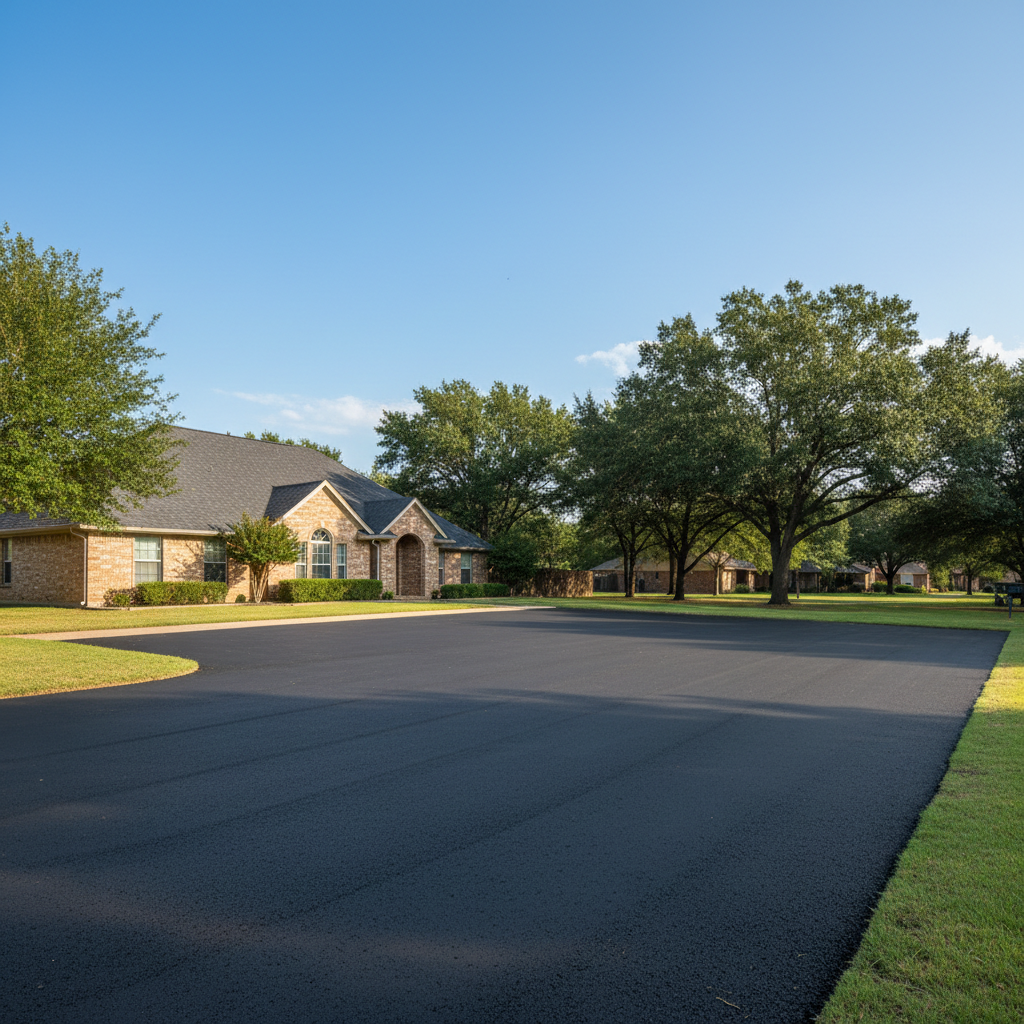
Planning Your Parking Lot Paving Project: What to Know
So, you're looking at putting in a new parking lot or repaving an old one at your Round Rock property. Maybe it's for your home, or a small business you run out of your place. Whatever the reason, it's a big project, and you want to get it right. I've seen a lot of these jobs come and go over the years, and I can tell you, a little planning goes a long way. Let's talk about what you need to think about before we even get a shovel in the ground.
The Timeline: What to Expect
People often ask me, "How long is this going to take?" And the answer, like most things, is "it depends." But I can give you a general idea. From the first call to the final sweep, you're probably looking at a few weeks, maybe a month or two, for a typical residential or small commercial parking lot. Here's a breakdown:
- Initial Contact & Quote: This usually takes a few days to a week. We'll come out, take a look, measure things up, and talk about what you need.
- Scheduling: Once you approve the quote, we'll get you on the calendar. This can be anywhere from a week to a few weeks out, depending on our current workload and the time of year. Summer's always busy, especially with those triple-digit Texas heat waves.
- Permits: Don't forget about these! Depending on the size and scope, you might need a permit from the city of Round Rock. We can help you figure that out, but getting it approved can add a week or two, sometimes more if there are complications.
- Construction: The actual paving work itself? That's usually pretty quick. For a standard parking lot, we're talking a few days to a week. This includes excavation, base layer, and the asphalt pour.
- Curing Time: This is crucial. You can't just drive on it right away. We'll tell you exactly how long, but generally, plan for at least 24-72 hours before light traffic, and longer for heavy vehicles.
What Happens During the Paving Process?
Okay, so you've signed off, we're on the schedule, and the crew shows up. What's next? It's not just dumping asphalt and calling it a day. There are several key steps:
- Site Preparation: First, we clear the area. That means removing any old pavement, dirt, or debris. We'll excavate down to the right depth, making sure the subgrade is solid. This is super important, especially with our expansive clay soils here in Central Texas. If the base isn't stable, your new pavement won't last.
- Grading & Drainage: We'll grade the area to ensure proper water runoff. You don't want puddles sitting around; that's a recipe for premature deterioration. Good drainage protects your investment.
- Base Layer Installation: This is the foundation. We lay down a thick layer of crushed aggregate, compacting it thoroughly. This provides stability and strength for the asphalt layer above.
- Asphalt Application: Once the base is solid, we apply the hot asphalt mix in layers, compacting each one with heavy rollers. This creates a dense, durable surface.
- Finishing Touches: After the asphalt is laid, we'll make sure the edges are clean and smooth. Then, it's all about letting it cure.
How to Prepare Your Property
Before our crew arrives, there are a few things you can do to make the process smoother for everyone:
- Clear the Area: Move any vehicles, equipment, planters, or anything else that's in the way of the work zone.
- Mark Utilities: If you know where any underground sprinkler lines, invisible dog fences, or other shallow utilities are, mark them clearly. While we always call 811, knowing about these smaller lines helps prevent accidental damage.
- Inform Neighbors: If the project might impact access or create noise, give your neighbors a heads-up. It's just good practice.
- Plan for Access: Think about how you'll get in and out of your property while the work is being done and during the curing period. You won't be able to drive over fresh asphalt.
Questions to Ask Before You Sign That Contract
Don't just jump into it. Ask questions. Any reputable company, like Horizon Paving Solutions, will be happy to answer them. Here are some good ones:
- What's included in the quote? Make sure you understand exactly what you're paying for. Is excavation included? Base material? Drainage?
- What kind of warranty do you offer? A good contractor stands behind their work.
- How long have you been in business? Experience matters, especially in paving.
- Can you provide references? Talk to other homeowners or businesses they've worked for.
- Are you licensed and insured? This protects both of us. Don't ever work with someone who isn't.
- What's your plan for drainage? This is critical, especially with our heavy rains that can flood areas like Old Town Round Rock pretty quickly.
- What's the estimated start and completion date? Get a clear timeframe.
- What are the payment terms? Understand when payments are due.
- How will you handle any unexpected issues? Sometimes things come up, like hitting an unknown rock formation. How will that be communicated and resolved?
Paving a parking lot is a significant investment, but when it's done right, it adds value and functionality to your property for years. Take your time, do your homework, and you'll be happy with the results.