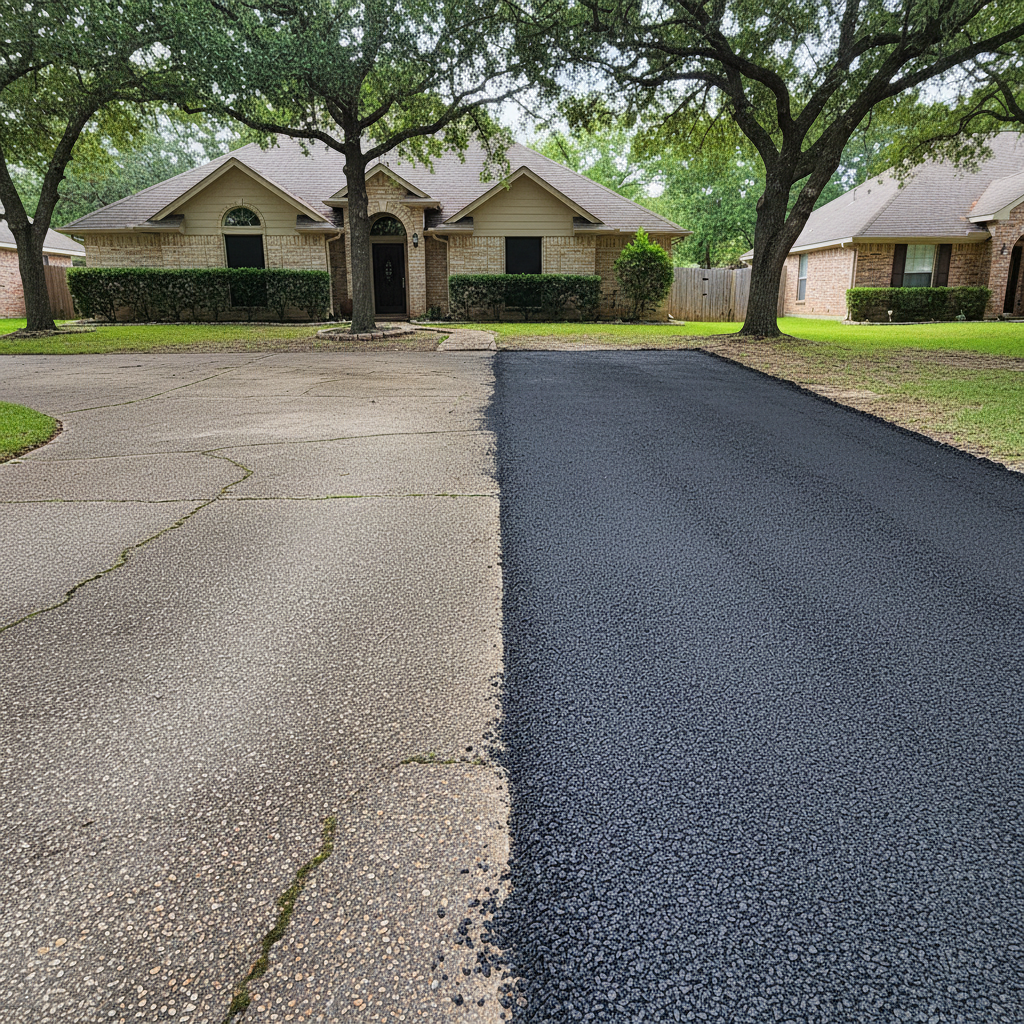
Alright, let's talk about your asphalt driveway. Maybe it's got some cracks, potholes, or just looks tired. You're probably thinking about getting it fixed, and 'milling' is a term you'll hear thrown around. But what kind of milling? There are two main ways we approach it for homeowners: full depth milling and top layer milling. And trust me, knowing the difference can save you a headache and some cash down the road.
What's the Deal with Asphalt Milling Anyway?
Before we dive into the two types, let's quickly explain milling. It's basically grinding up the old asphalt surface. We use a specialized machine to shave off the top layer (or layers) of your existing driveway. This isn't just about making it look pretty; it's about creating a fresh, stable base for new asphalt. It helps with drainage, gets rid of damaged sections, and can even help with grade issues. It's a key step in getting a long-lasting repair or replacement without tearing out the whole thing.
Top Layer Milling: The Quick Fix
This is often called 'surface milling' or '2-inch milling.' With top layer milling, we're just taking off the very top bit of your asphalt – usually about 1.5 to 2 inches. Think of it like sanding down a worn-out wooden deck before you put on a new stain. You're removing the superficial damage, the raveling, the minor cracks, and creating a smooth, even surface for a new layer of asphalt.
- Cost: This is generally the cheaper option upfront. Less material removed, less time on the job, less new asphalt needed.
- Durability: It's good for driveways that have minor surface issues but a solid base underneath. If your base is still in good shape and you're just dealing with wear and tear from the sun, rain, and traffic, a top layer mill and overlay can give you several more years.
- Maintenance: Regular sealcoating and prompt crack filling are still important to protect that new top layer.
- Appearance: A fresh, smooth black surface. Looks great, just like a brand new driveway.
The catch? If your problems go deeper than the top couple of inches – say, you've got significant alligator cracking, major potholes, or structural issues from a failing base – then top layer milling is just putting a band-aid on a bigger wound. You'll see those deeper issues resurface pretty quickly, especially with our crazy Round Rock weather cycles, like those heavy downpours followed by scorching heat. That constant expansion and contraction really puts a strain on things.
Full Depth Milling: The Robust Solution
Now, full depth milling is a different beast. This is when we grind down the entire asphalt layer, all the way to the base material. Sometimes, we even mill into the base if it's got issues. We're talking 4, 6, even 8 inches deep, depending on how your driveway was originally built and how bad the damage is. We then compact that milled material back down, often adding some fresh base material, and then lay a brand new, full-thickness asphalt surface.
- Cost: More expensive upfront, no doubt about it. You're removing more material, potentially bringing in new base, and laying a thicker new asphalt layer.
- Durability: This is where full depth shines. If your driveway is seriously compromised – major structural failures, widespread potholes, significant base issues – full depth milling addresses the root cause. You're essentially rebuilding the asphalt structure from the ground up, giving you a much more robust and longer-lasting solution. We're talking 15-20 years or more with proper maintenance.
- Maintenance: Still needs sealcoating and crack filling, but because the foundation is so much stronger, you'll likely have fewer issues popping up over time.
- Appearance: Pristine. It's truly a brand new driveway surface, and because the base is solid, it'll stay that way longer.
This is the way to go if your driveway is really falling apart. If you've got sections in your driveway that look like a jigsaw puzzle, or if water is pooling in places it shouldn't, full depth milling is probably your best bet. Especially in areas of Round Rock, like some of those older neighborhoods with clay soil, you often see base failures that need a more aggressive approach.
My Recommendation for Round Rock Homeowners
Look, I've been doing this for a long time here at Horizon Paving Solutions. What I've seen is that homeowners often try to save a buck with top layer milling when they really need full depth. And then they're calling me back in five years, sometimes less, because the same old problems are showing up again. It ends up costing them more in the long run.
Here's my honest take: if your driveway is relatively new (less than 10 years old) and only has minor surface cracks or fading, a top layer mill might be perfectly fine. But if it's older, if you've got significant potholes, widespread cracking that looks like alligator skin, or if you're seeing sections sinking or heaving, you're almost certainly better off investing in full depth milling. It's a bigger investment initially, but it's going to last you significantly longer and give you peace of mind. You won't have to worry about your driveway for a good long while.
We can come out, take a look, and give you an honest assessment. We'll tell you what we think is the right approach for your specific situation, not just the cheapest one.